Sportive: A Modern Display Font for Digital Creativity
Understanding the Visual Appeal of Sportive
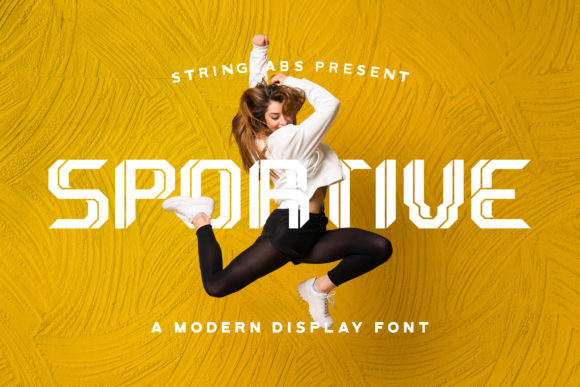
As a web designer, I’ve found that Sportive works particularly well when used sparingly. It adds visual interest without overwhelming the layout. The font's clean lines and consistent stroke weights help maintain a professional look while still feeling distinct from more traditional typefaces.
Applying Sportive in Web Design Layouts
When working on landing pages or hero sections, using Sportive as a headline font can instantly elevate the design. It draws attention without being too bold or distracting. For example, a boutique online store could use Sportive for product category headers, creating a cohesive and memorable brand identity across the site.
- Hero Sections: Use Sportive for main headlines to create impact and guide user attention.
- Call-to-Action Buttons: While not recommended for long text, Sportive can be effective for short, punchy phrases like "Shop Now" or "Join Today."
- Blog Headers: Pairing Sportive with a simple sans serif font for body copy helps establish a clear visual hierarchy.
- Portfolio Sites: This font can add a creative flair to section headings, especially for designers showcasing their work.
Readability and Responsiveness Considerations
One of the most important aspects of using any display font on the web is ensuring readability, especially on mobile devices. Sportive performs well at smaller sizes but should be used with care in small buttons or tight spacing scenarios. Testing different line heights and tracking can improve legibility across various screen sizes.
For dark backgrounds, consider using a light variant of Sportive or adding a subtle drop shadow to ensure contrast. On light backgrounds, the font maintains good visibility even at lower weights. When designing responsive layouts, always check how Sportive behaves at different breakpoints and adjust accordingly.
Font Pairing and Brand Consistency
Pairing Sportive with complementary fonts can enhance the overall design. A common and effective approach is to use a simple sans serif font such as Helvetica or Arial for body text. This contrast helps reinforce the visual hierarchy and keeps the content easy to read.
If your brand has a more editorial feel, pairing Sportive with a serif font like Georgia or Times New Roman can create a polished, professional look. This combination is especially useful for content-heavy sites like blogs or news platforms.
Practical Applications for Different Websites
Sportive is versatile enough to fit a wide range of digital projects. Here are some practical examples of how it can be applied:
- Creative Portfolio Sites: Use Sportive for section titles and project names to give the site a modern, artistic feel.
- Coaching or Consulting Websites: This font can convey a friendly and approachable tone, perfect for branding that focuses on personal connection.
- Product Landing Pages: Highlight key features with Sportive to make them stand out and encourage conversions.
- Digital Ads: Incorporate Sportive into banner ads for a quick visual impact that aligns with the brand’s identity.
Choosing the Right Styles and Licensing
Before implementing Sportive into a website or client project, it's essential to review the available styles and file formats. Look for webfont support to ensure compatibility with all browsers. Check if the font includes alternates, weights, or multilingual support if needed for international audiences.
Commercial licensing is another critical factor. Make sure you have the appropriate license for using Sportive on websites, online stores, landing pages, or digital templates. Always verify the terms to avoid any legal issues, especially when working with clients or building brand assets.
Creating a Cohesive Brand Identity
The right font can significantly influence a brand’s perception. Sportive contributes to a modern and approachable brand image, which is especially valuable for startups, creative agencies, or digital brands aiming to stand out in competitive markets.
By consistently using Sportive across all branded materials—website headers, social media graphics, email newsletters, and marketing collateral—you can build a strong and recognizable visual identity. This consistency reinforces brand trust and professionalism, ultimately enhancing user engagement and conversion rates.