Lay Font: A Modern Display Typeface for Web Design
It was a quiet afternoon when I first tested Lay in a hero section of a boutique online store. The font had a subtle charm, like a well-thought-out design element that didn’t shout but still stood out. As I placed it over an image banner, something clicked—it felt fresh, contemporary, and just right for the brand’s tone. That moment made me realize how much a good display font can elevate a website's visual storytelling.
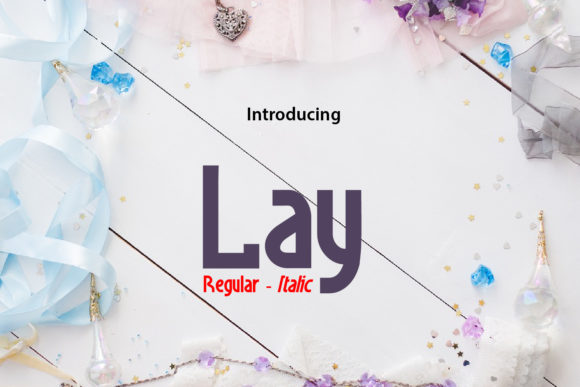
Lay is a clean and stylish display font with a modern edge. It has a sleek, minimalist feel that works beautifully for headings, titles, and call-to-action buttons. Its characters are well-balanced, with enough personality to draw attention without overwhelming the eye. This makes it a great fit for websites aiming to convey creativity, elegance, or a touch of sophistication.
How Lay Performs in Digital Layouts
I experimented with Lay across several digital use cases. In a product landing page, it worked wonders as a headline. When paired with a clean sans serif font like Helvetica Neue for body text, the contrast was striking yet harmonious. On mobile screens, the font scaled gracefully, maintaining legibility even at smaller sizes. For a coaching website, Lay added a professional yet approachable vibe to the header, making the brand feel both trustworthy and modern.
One thing I noticed was how well Lay handled image overlays. Whether it was a dark background with light text or a vibrant photo with a semi-transparent overlay, the font maintained its clarity and readability. This flexibility makes it ideal for hero sections, blog headers, and promotional banners where visual impact matters.
Real-World Applications of Lay in Web Design
For a creative portfolio site, I used Lay in the main navigation and section headings. It gave the layout a cohesive look while allowing each project to stand out. On a course sales page, Lay was perfect for the title and subheadings, guiding the user’s attention naturally through the content.
In a digital brand kit, Lay became the go-to font for logos, social media graphics, and email headers. It brought consistency across all touchpoints, reinforcing brand identity with a single, recognizable typeface. Even in a campaign landing page, where speed and clarity are crucial, Lay performed admirably—its crisp lines and open counters ensured quick scanning and easy reading.
However, it's important to note that Lay is best suited for short phrases, headlines, and decorative accents rather than long paragraphs or dense text blocks. It shines in display use, such as hero titles, button text, and taglines, but may not be the best choice for form labels, small navigation menus, or accessibility-focused interfaces.
Font Pairing and Readability Tips
When working with Lay, I found that pairing it with a simple sans serif font like Montserrat or a classic serif font like Georgia created a balanced hierarchy. For more editorial designs, a serif font like Playfair Display complemented Lay’s modernity with a touch of elegance.
Readability is key, especially on responsive layouts. I recommend using Lay for larger text elements and ensuring there’s enough contrast between the font and the background. On dark backgrounds, a light color with high contrast helps maintain legibility. Also, testing the font on various screen sizes is essential to ensure it looks good on both desktop and mobile devices.
Before implementing Lay on client projects or online stores, it’s wise to check the font’s available styles, weights, and file formats. Ensuring it supports multilingual characters and has proper commercial licensing is also crucial, especially if the font will be used in digital templates, brand assets, or for sale as part of a downloadable product.
Overall, Lay is a versatile and stylish display font that adds a fresh, contemporary feel to web design. Whether you're designing a boutique shop, a portfolio site, or a digital marketing campaign, this font can help your brand stand out in a visually appealing way. It’s not just about aesthetics—it’s about creating a seamless, engaging user experience that reflects your brand’s personality and values.